

Business is fundamentally about creating value. According to Harvard Business School Online, regardless of a business’s size, industry, or model, its success depends on one thing: creating value for customers (Heinrich, 2026).
At its core, a business succeeds when it offers a product or service people want to buy at a price higher than the cost of production. Value creation is the process of turning raw materials, ideas, and resources into products or services which are worth more than the cost of making them. It involves solving problems, improving lives, and delivering solutions people want to pay for. By generating value for customers, employees, and stakeholders, a business builds long-term loyalty, drives innovation, and ensures sustainable financial success.
The Meaning of Value in Business
To understand value creation, we must understand what value is in business. Depending on the context, value is usually divided into three main categories: customer value, the financial worth of the business (for example, stock value), and perceived value, as discussed below.
Customer Value (The “What you give” vs. “What you get”)
This is the net benefit a customer receives in exchange for the price they pay. It is subjective and entirely determined by the buyer.
Why Customers Drive Value Creation
Among a business’s stakeholders, customers are most important in the value-creation process. Customers are the ultimate source of revenue and the reason a business exists, meaning all other value created for stakeholders depends entirely on whether a customer is willing to pay for a product or service.
Business Value (The financial worth of a company)
The value of a business is the total financial worth of an organisation, determined by assessing its assets, earnings, and market position.
In finance, value is the actual monetary worth of an enterprise, its assets, or its equity.
Business Value (Health and longevity)
In management, this refers to all the tangible and intangible elements that determine a company’s long-term well-being. It includes economic profits and intangible assets, such as brand reputation, intellectual property, employee morale, and supplier relationships.
Harvard Business School Online defines business value as “…..the worth in monetary terms of the technical, economic, service, and social benefits a customer company receives in exchange for the price it pays for a market offering” (Anderson and Narus, 1998) and categorises it into two main types: financial value (hard numbers) and perceived value (customer sentiment) (Boyles, 2022). Together, they determine a company’s overall worth and market success.
Here is how you can describe and measure both types:
Financial Value
Financial value represents the direct, quantifiable economic impact a business or product delivers. It focuses on the bottom line, revenue, and cost savings.

Perceived Value
Perceived value is the subjective worth a customer places on a product, service, or brand, based on their personal feelings, beliefs, and experiences.
In summary, financial value is what a business is worth on paper, while effective value creation delivers measurable advantages for an organisation.
The Relationship between Value and Strategy- The Value Stick Framework
The main importance of a business strategy is to align an organisation’s goals, resources, and actions so it can create long-term value for the business, its customers, and its stakeholders.
As stated on Harvard Business School Online, a strong strategy acts as a master plan that drives success. It provides several key benefits (Boyles, 2022).
A business strategy is defined as “…. the strategic initiatives a company pursues to create value for the organisation and its stakeholders and gain a competitive advantage in the market” (Boyles, 2022). An effective business strategy is built around three core questions focusing on how a business can create value for customers, employees, and suppliers. Organisations can address these areas using a value-based approach, such as the Value Stick framework, by increasing customer willingness to pay, supporting employee growth, and lowering supplier willingness to sell. The Value Stick is a framework developed by Felix Oberholzer-Gee, a professor of business administration at Harvard Business School
According to Harvard Business School Online (Heinrich, 2026), value is the difference between how much a customer values a product or service and what they’re willing to pay for it.
To increase value, a business needs to do two fundamental things.
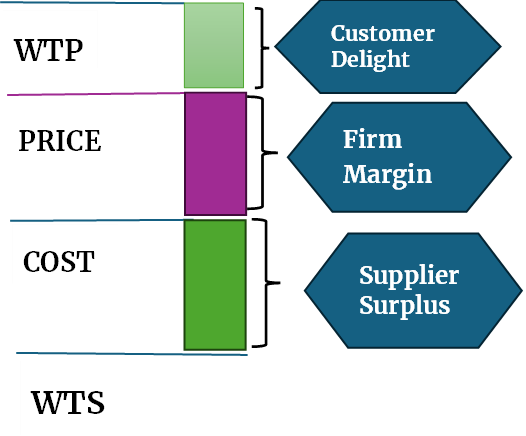
Figure 1- The Value Stick. Source: Adapted from Harvard Business School Online (Heinrich, 2026)
Strategic value creation relies on expanding the gap between what a customer values and what suppliers or employees require. Four main elements define this balance:
Main Factors Causing WTP to Vary
Willingness to Pay (WTP) varies among customers because people perceive value, face different financial constraints, and have unique alternatives.
Willingness to Pay vs. Willingness to Sell
Willingness to pay (WTP) is the highest price a customer will pay for a product or service, while willingness to sell (WTS) is the lowest amount a supplier or employee will accept for materials or labour. WTP applies to customers, whereas WTS pertains to employees and suppliers. That is their main difference.
Both concepts form the outer boundaries of the Value Stick Framework, helping businesses understand how value is created and captured in a market.
Main Differences
Strategic Application
References
Anderson, J. and Narus, J. (1998). Business Marketing: Understand What Customers Value. [online] Harvard Business Review. Available at: https://hbr.org/1998/11/business-marketing-understand-what-customers-value.
Boyles, M. (2022). How Do Businesses Create Value for Stakeholders? | HBS Online. [online] Business Insights Blog. Available at: https://online.hbs.edu/blog/post/how-do-businesses-create-value.
Heinrich, A. (2026). How Value Creation Applies to Your Business. [online] Harvard Business School. Available at: https://online.hbs.edu/blog/post/value-creation
Stobierski, T. (2022). A Beginner’s Guide to Value-Based Strategy. [online] Harvard Business School. Available at: https://online.hbs.edu/blog/post/value-based-strategy [Accessed 13 Sept. 2026].